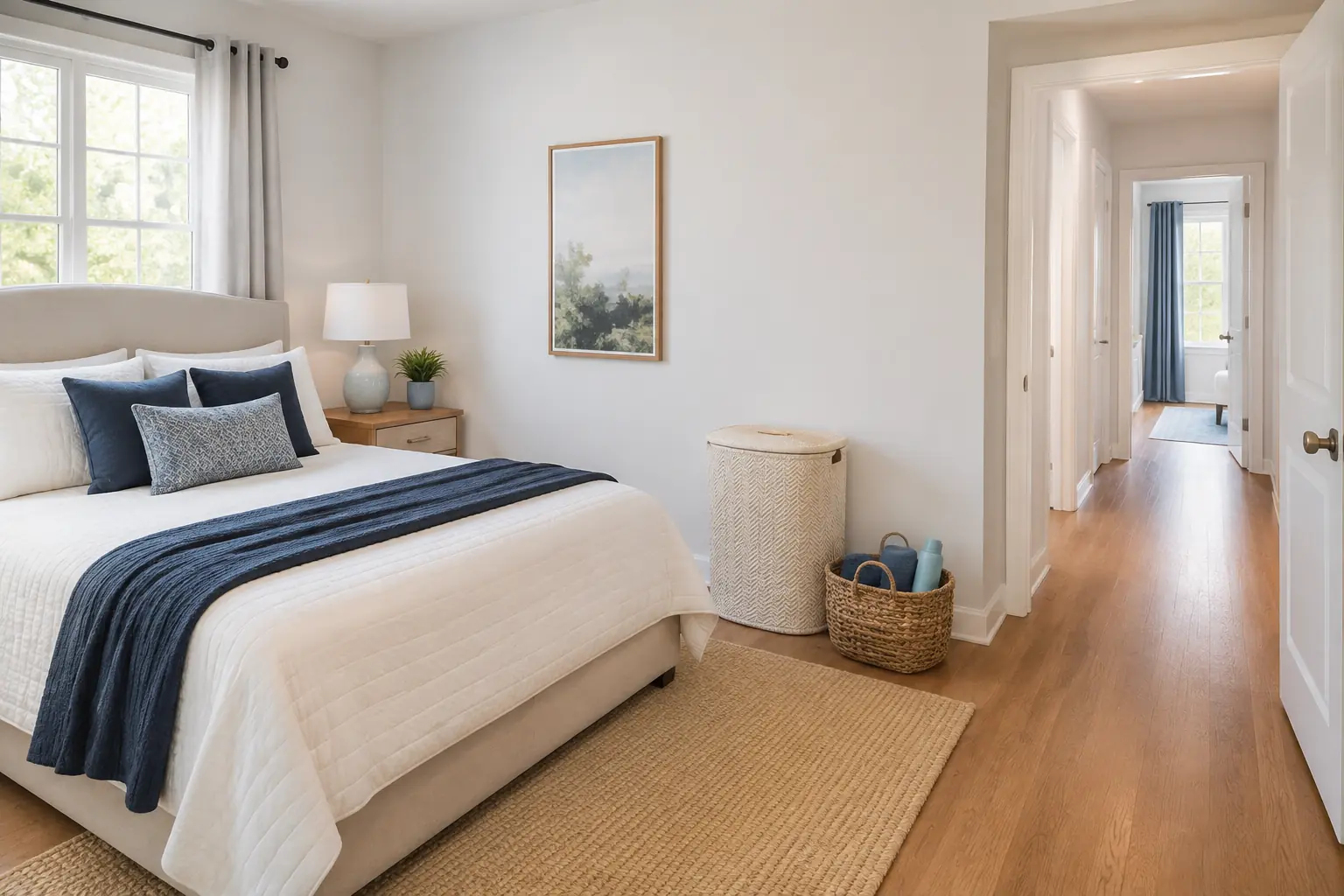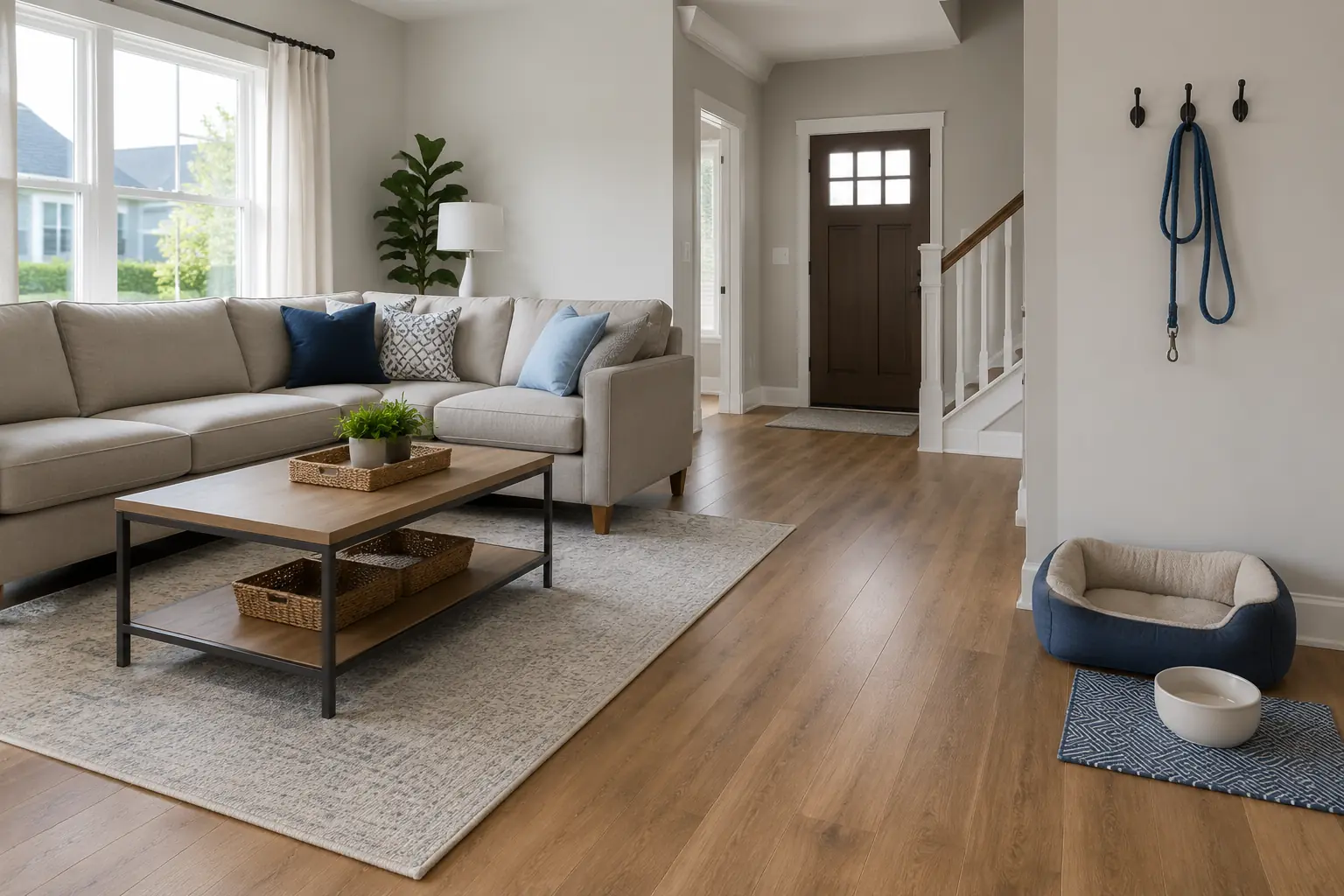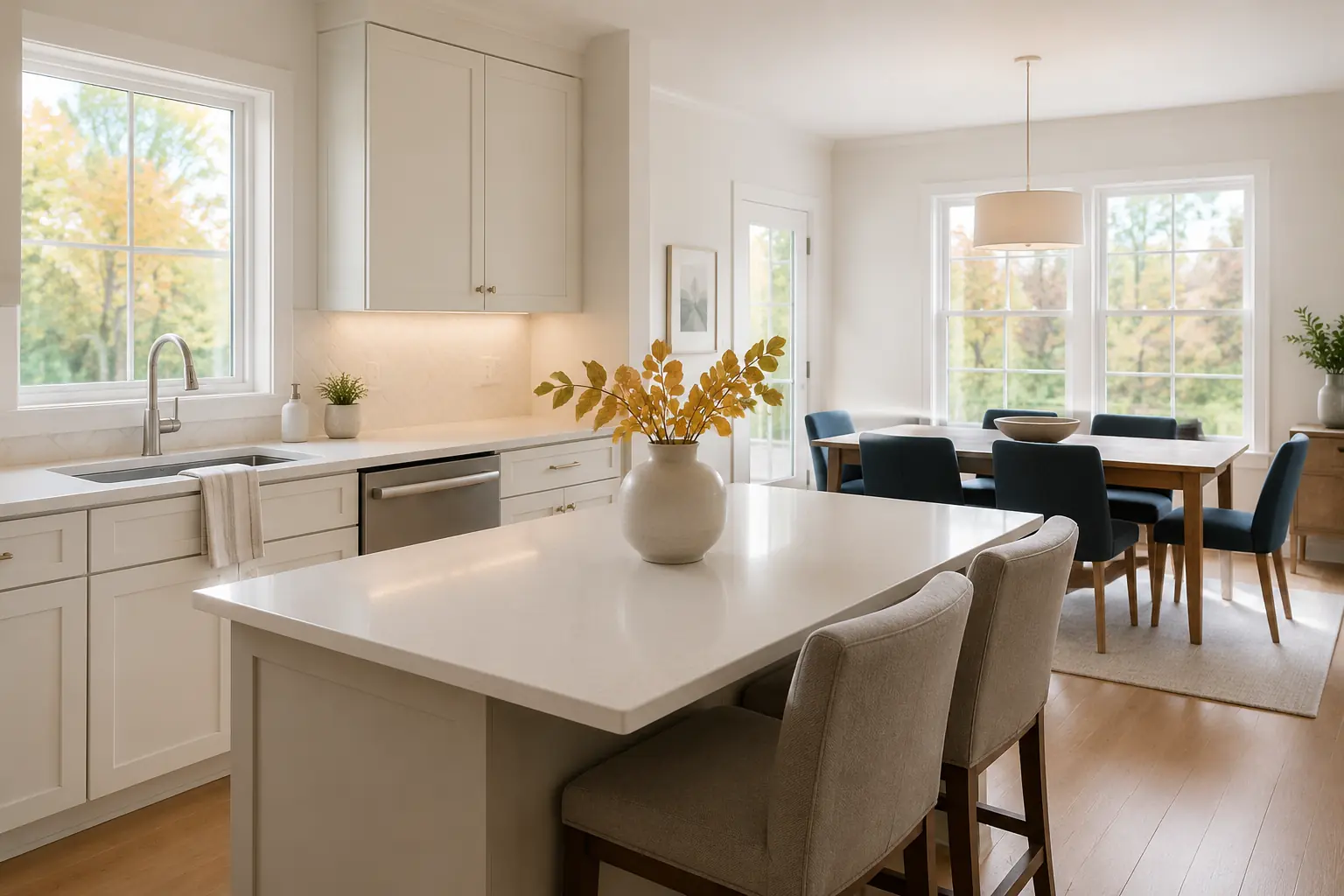
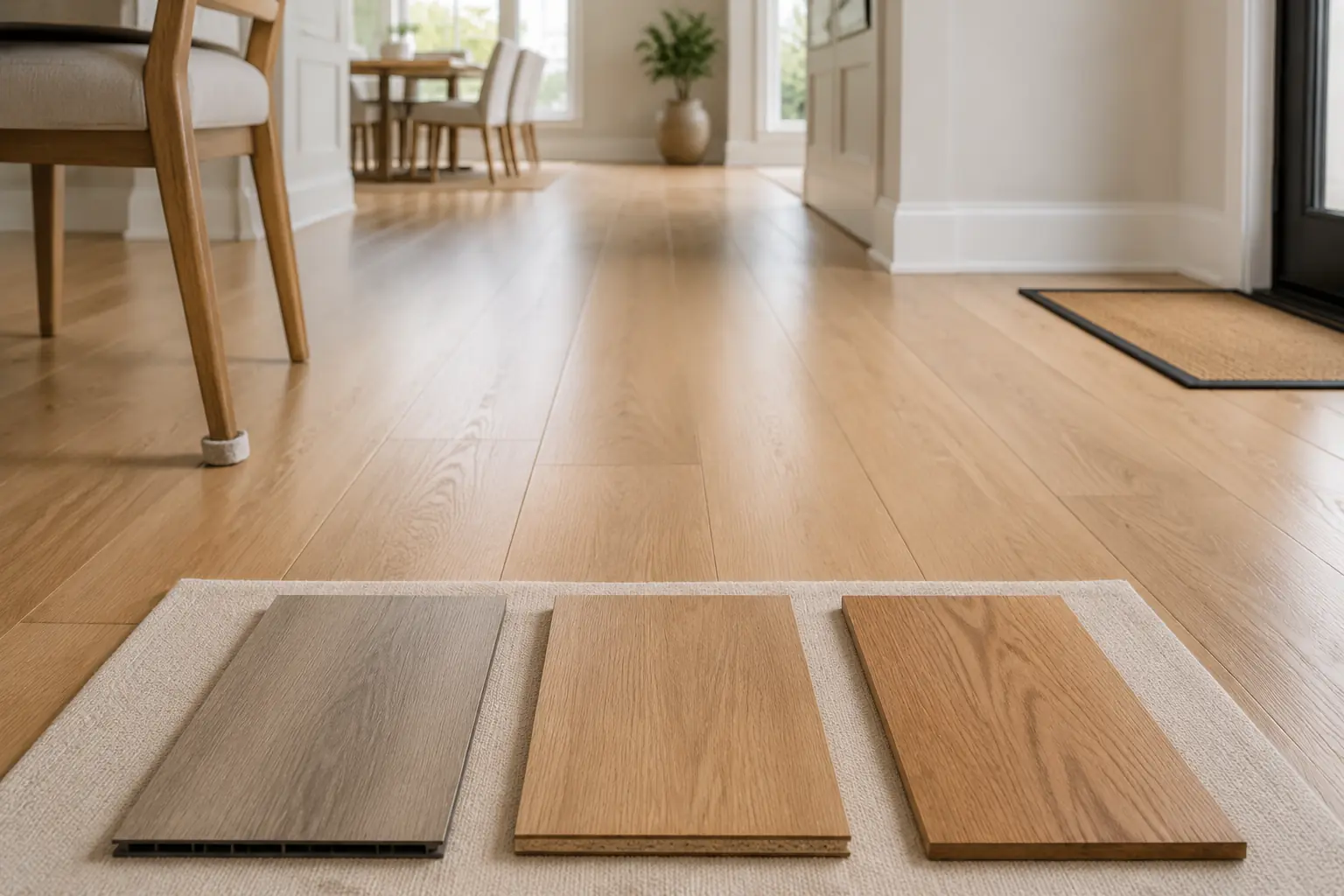
LVP, laminate and hardwood can look similar, but they are not maintained in exactly the same way. A method that is acceptable for one specific floor may dull, scratch or expose another floor to moisture.
Avoiding common floor care mistakes starts with identifying the material and checking the care instructions for the exact product. This is especially important for homeowners in Charlotte, South Charlotte, Ballantyne, Weddington, Marvin, Waxhaw, Monroe and nearby communities who have more than one flooring type in the same home.
Below are nine mistakes that can damage luxury vinyl plank, laminate or hardwood, plus a safer process for routine floor cleaning and maintenance.
Quick Answer: What Are the Most Common Floor Care Mistakes?
The most common mistakes are treating every wood-look floor the same, using too much water, assuming a steam mop is universally safe, choosing an unapproved cleaner, using abrasive tools, mopping before removing grit, leaving spills on the floor, dragging furniture and trying to clean damage that actually needs repair.
Manufacturer instructions should take priority over general advice. Product construction, finish, installation method and warranty requirements can change what is permitted.
| Flooring type | Safer routine starting point | Main caution |
|---|---|---|
| LVP | Remove grit, then use a lightly damp method and manufacturer-approved cleaner when needed | Avoid abrasives, harsh chemicals, excess liquid and steam unless the exact product instructions allow it |
| Laminate | Dry-remove debris and use only the moisture level and cleaner approved for the product | Standing liquid can reach seams; steam and wet mopping are prohibited for many products |
| Hardwood | Sweep, dust-mop or vacuum with a bare-floor setting, then use a cleaner approved for the finish | Wet mops, steam and the wrong polish or cleaner can affect the wood or its finish |
Not sure which surface is installed in your home? Start with our comparison of LVP, laminate and hardwood flooring in South Charlotte.
1. Treating Every Wood-Look Floor the Same
A wood-grain pattern does not identify how a floor should be cleaned. LVP is generally a resilient vinyl product, laminate uses a layered construction with a decorative image, and hardwood contains real wood with a protective finish. Even products within the same category can have different requirements.
Before using a cleaner or machine, locate the brand, collection and product name. Check the manufacturer’s current care guide and warranty. If the information is unavailable, choose the least aggressive method and ask a qualified flooring professional before introducing moisture, heat or chemicals.
2. Using Too Much Water
More water does not mean a cleaner floor. Excess liquid can collect at edges, move into seams and remain beneath rugs or furniture. On susceptible laminate, moisture may contribute to swelling or edge damage. On hardwood, it can affect the boards or finish. LVP may tolerate moisture differently, but puddles and repeated saturation are still not a sound default care method.
Use a well-wrung mop or the specific applicator recommended by the manufacturer. Apply only enough solution to clean the surface, work in manageable sections and remove spills promptly. Never pour a bucket of water or cleaning solution directly onto the floor.
3. Assuming a Steam Mop Is Safe for Every Floor
Steam combines heat and moisture, which is why many hardwood and laminate care guides prohibit it. Some LVP and specialty laminate products may expressly permit a particular steam-cleaning procedure, but that exception does not apply to every floor in the category.
Do not rely only on a cleaner label or a general online tip. Verify that the instructions for the exact flooring product allow steam, and follow any limits on heat, attachments, movement or frequency. If the product cannot be identified, do not assume steam is safe.
4. Using Harsh, Homemade or Shine-Producing Products Without Approval
A multipurpose product may contain ingredients that leave residue, reduce gloss, create a slippery film or react poorly with the finish. Abrasive cleaners, strong chemicals, oil soaps, waxes, polishes and “restorer” products are not interchangeable across LVP, laminate and hardwood.
Homemade recipes also deserve caution. Ingredients commonly described as natural, including vinegar, may be prohibited by a flooring manufacturer. Use a pH-neutral or flooring-specific product only when it is compatible with the exact material and finish. Follow the dilution instructions rather than making the solution stronger.
If a floor looks cloudy after cleaning, adding another product may make the residue worse. Stop, identify what was previously applied and consult the appropriate care instructions before attempting removal.
5. Scrubbing With Abrasive Pads or the Wrong Vacuum Head
Steel wool, rough scouring pads, stiff brushes and abrasive powders can scratch or change the appearance of a finished floor. A rotating vacuum beater bar can also scatter grit or mark certain surfaces.
Use a soft microfiber dust mop, a soft-bristle broom or a vacuum with a hard-floor attachment and the rotating brush disabled when the manufacturer recommends it. For a stubborn spot, begin with the gentlest approved technique and avoid forceful scraping with a metal or sharp-edged tool.
6. Wet-Cleaning Before Removing Sand, Grit and Debris
Fine sand and outdoor grit can behave like an abrasive when pushed across the floor by a damp mop. This is relevant in entryways, kitchens, pet routes and high-traffic rooms.
Dry-clean first. Sweep, dust-mop or vacuum the entire area with an appropriate hard-floor setting. Pay attention to corners, transitions and the space beneath movable chairs. Only then begin the manufacturer-approved damp-cleaning step.
Homes with animals may need more frequent dry soil removal. Our guide to house cleaning with pets in Charlotte and Union County explains how to manage hair, tracked-in dirt and pet areas without treating every surface alike.
7. Leaving Spills or Pet Accidents on the Floor
Spills should be addressed promptly, even when a floor is marketed as water-resistant or waterproof. Those descriptions do not automatically mean that liquid can remain indefinitely at seams, room edges, transitions or beneath baseboards.
Blot the liquid instead of spreading it across a larger area. Use the cleaning method approved for the specific substance and flooring product, then dry the surface. Pet accidents require prompt attention because odor and residue can remain even after the visible liquid is gone.
If liquid has reached beneath planks, caused swelling or produced a persistent odor, surface cleaning alone may not resolve the problem.
8. Dragging Furniture and Skipping Floor Protectors
Furniture movement can create scratches, dents or damage at plank edges. Dirt trapped beneath a chair leg can make the problem worse with every use.
Use clean felt or manufacturer-recommended protectors beneath furniture legs, and inspect them periodically because grit can become embedded. Lift furniture instead of dragging it. For heavy objects, use an appropriate moving system and enough help to control the load.
Place suitable mats at exterior entrances to capture soil before it reaches the floor. Confirm that the mat and backing are compatible with the flooring, because some backings can discolor or interact with certain finishes.
9. Trying to Clean Damage That Requires Repair
Cleaning removes soil and compatible residue; it does not reverse physical damage. Repeatedly scrubbing a damaged area can make it more visible.
Possible repair concerns include:
- Swollen laminate edges or raised seams.
- Deep scratches, gouges or chipped boards.
- Loose, shifting or separated planks.
- Persistent moisture beneath the floor.
- Worn or peeling hardwood finish.
- Discoloration that remains after approved cleaning.
Document the condition before experimenting with additional products. Check the warranty and request a flooring evaluation when the problem extends beyond routine maintenance. Ka&Ju provides flooring services in Charlotte, NC, including consultation, surface preparation and installation for residential and commercial projects.
How to Build a Safer Floor-Care Routine
- Identify the product. Record the manufacturer, collection, material, finish and installation information.
- Read the current care and warranty documents. Confirm permitted cleaners, tools, moisture levels and restrictions.
- Prevent grit from spreading. Use compatible entrance mats and dry-remove debris regularly.
- Use the least aggressive approved method. Measure cleaner correctly and avoid unnecessary water, heat or pressure.
- Stop when the condition suggests damage. Swelling, loose planks, deep scratches or moisture below the surface need evaluation rather than more scrubbing.
Keep the care guide with the home’s maintenance records. This gives household members and professional cleaners the same reference and reduces the chance that a generic product will be used on a specialty surface.
When Do You Need Cleaning, and When Do You Need Flooring Service?
Professional cleaning is appropriate for routine dust, grit, compatible spots and soil on an intact surface. The company should know what flooring is present, which products are allowed and whether there are existing concerns.
A flooring service is more appropriate when planks are damaged, installation problems are suspected, the surface has persistent movement or the existing floor needs replacement. Cleaning and flooring solve different problems, so an accurate description of the condition helps direct the request correctly.
For a broader overview of residential and commercial options, review Ka&Ju’s cleaning services guide for Charlotte, NC.
Floor Care and Flooring Services in South Charlotte and Union County
Flooring choices vary across homes and businesses in Charlotte, South Charlotte, Ballantyne, SouthPark, Weddington, Marvin, Waxhaw, Monroe and nearby areas. Some properties have hardwood in living areas, LVP in lower levels and laminate in another room, making a single universal cleaning method inappropriate.
Ka&Ju Cleaning and Flooring Services can help clients discuss professional cleaning needs and flooring projects based on the property, existing material and requested scope. Always share known manufacturer restrictions and existing damage when requesting a quote.
Frequently Asked Questions
Can I use a steam mop on LVP flooring?
Only if the care instructions for the exact LVP product expressly permit it. Some manufacturers prohibit steam because heat and moisture may affect joints, layers or adhesives. If the brand and product cannot be confirmed, choose a manufacturer-approved non-steam method.
Is steam safe for laminate flooring?
Many laminate manufacturers prohibit steam and wet mopping, while some specialty products provide specific permission. Check the exact product’s care guide and warranty instead of applying a general rule to every laminate floor.
Can I wet-mop hardwood floors?
Wet mopping and standing water are generally not recommended for hardwood. Remove dry debris first, wipe spills promptly and use the cleaner and applicator approved for the floor’s finish.
Why does my floor look dull after mopping?
Dullness may come from cleaner residue, incorrect dilution, an incompatible shine product, dirty mop water or wear in the surface itself. Stop adding products until you identify the flooring and review its approved residue-removal instructions.
Does Ka&Ju offer flooring services in the Charlotte area?
Yes. Ka&Ju Cleaning and Flooring Services serves Charlotte, South Charlotte and nearby communities with flooring consultation, surface preparation and installation options. Availability, materials and project scope should be confirmed through a personalized quote.
Request a Personalized Cleaning or Flooring Quote
The safest floor-care plan begins with the correct material identification. If you need help with professional cleaning or a flooring project in Charlotte, South Charlotte or nearby Union County communities, tell Ka&Ju which surfaces are present and what condition you want addressed.
Request your free personalized quote or call (252) 516-8700 to discuss your cleaning or flooring needs.